
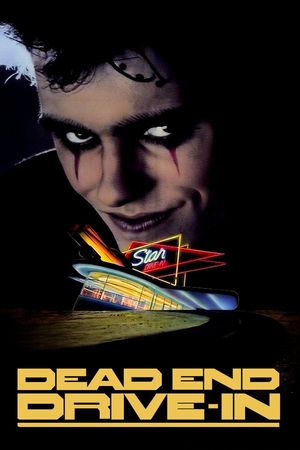
Dead End Drive-In (1986)
Année de sortie: 1986
Nation: Australia
Alternative Title: Drive-in da Morte, Le drive in de l'enfer, Eisodos thanatou, Hajts be, halj meg
Réalisateur: Brian Trenchard-Smith
Writer: Peter Carey, Peter Smalley
Production & Genre
Producteur: Producer: Andrew Williams
Sociétés: New South Wales Film Corp., Springvale Productions
Genre: Action, Action Film, Drama, Dystopian Film, Horror, Post-Apocalyptic Film, Science Fiction, Science Fiction Action Film
Budget: A$2,300,000 (estimated)
Récompenses & Similaires
Récompenses:
Similaire:
Mots-clés
Mots-clés: australia, drive-in theater, dystopia, electric fence, exploitation, satire, social commentary, surrealism, trapped
Histoire
In a dystopian future, drive-in theaters have been converted into concentration camps for society's outcasts and unemployed youth. The prisoners are trapped behind electric fences but seem content with their situation as they're fed and provided shelter, which may be better than life outside. Crabs, a health nut, and his girlfriend Carmen find themselves among the prisoners, but unlike the others, Crabs is determined to escape. Despite the risks, including harsh punishments for attempting escape and the camp's ruthless warden, Buzzcut, Crabs tries repeatedly to break free, putting not just himself but also those around him in danger.
Résumé
Directed by Brian Trenchard-Smith in 1986, 'Dead End Drive-In' is an Australian dystopian film that blends action, drama, horror, and social commentary. Set in a near-future where economic collapse has led to societal unrest, the film uses the exploitation of youth culture and drive-in theaters as a satirical backdrop to explore themes of conformity, rebellion, and the dangers of complacency. The movie is notable for its surreal imagery, such as the electric fence surrounding the camp and Buzzcut's sadistic punishments, which serve to amplify the grim reality of the protagonists' situation.